 Sample listing
$550/mo
Studio Apartment in Riverside
1105 N Bitting Ave, Wichita, KS 67203
Studio1 bath480 sqftApartment
No Deposit
Available NowContact Us

Income-restricted apartments charge below-market rent to households under an income cap. LIHTC, the Low-Income Housing Tax Credit program, funds most of them: developers receive tax credits for building affordable homes and accept rent caps in return. The rent is fixed — it does not change with income the way income-based rent does.
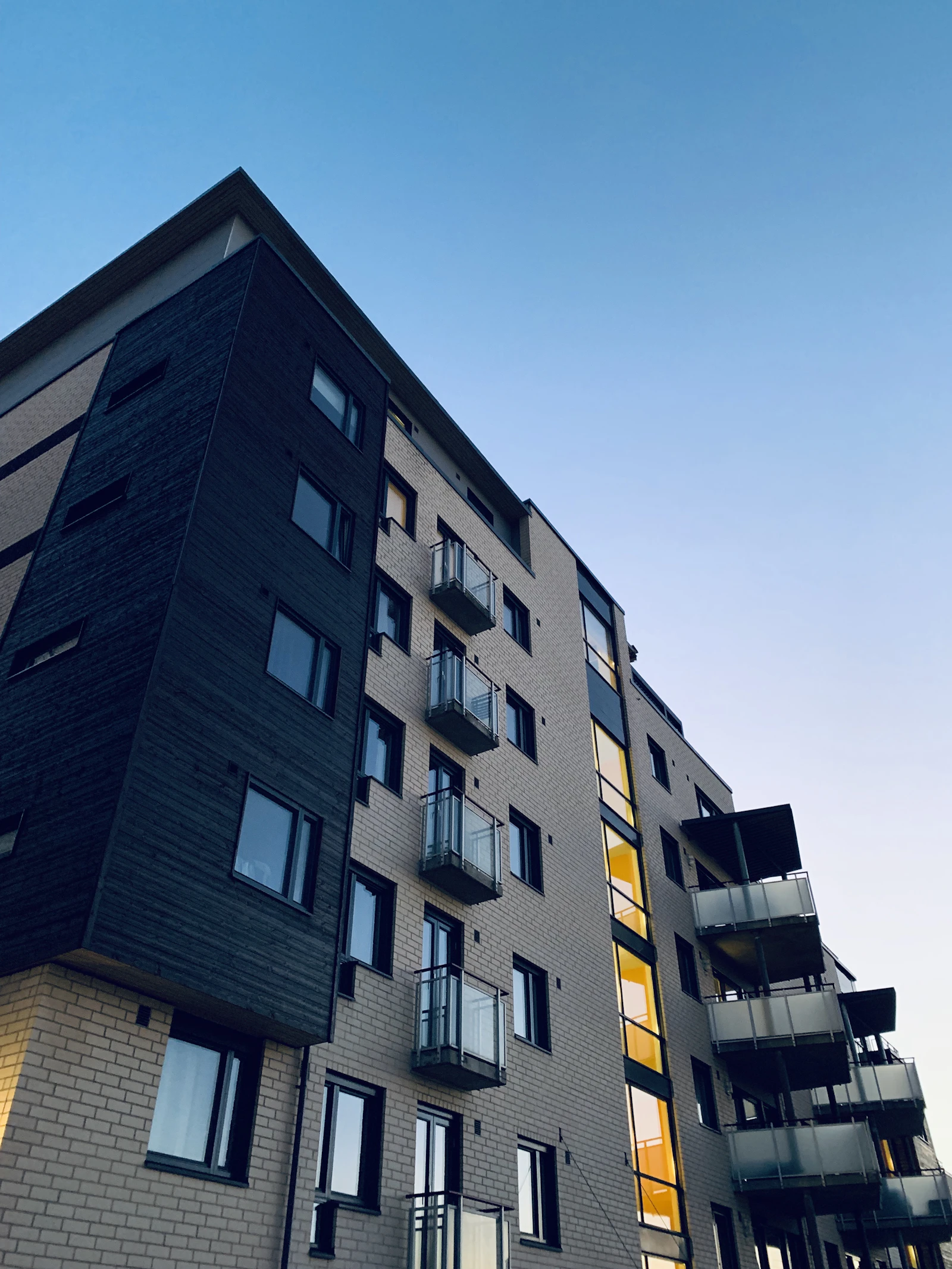
Income-restricted apartments are homes with rents capped below market rate for households under an income limit. LIHTC, the Low-Income Housing Tax Credit program, funds most income-restricted apartments. Developers receive federal tax credits for building affordable homes and accept rent caps in return.
The rent stays capped for a set period — under Section 42 of the tax code, the LIHTC compliance period runs 15 years.
Income-restricted apartments differ from Section 8 in one key way: no voucher is needed. The rent cap attaches to the apartment, not to the tenant. Any household under the income limit qualifies, and the rent stays the same regardless of income changes within the limit.
The cap attaches to the unit. The next section covers who qualifies.
Households earning at or below the property's income limit qualify — at 50% or 60% of area median income (AMI). AMI is the midpoint income for the local area, published by HUD. Each property sets its own limit within the LIHTC rules.
A household of 4 qualifies at a higher dollar figure than a single person, because limits rise with household size.
Qualification uses gross household income: wages, benefits, pensions, and other income for all adults. The property manager verifies income before the lease and at recertification. Recertification is the yearly income review that confirms the household still sits under the limit.
Eligibility is income-based. The next section shows where to find units.
Find income-restricted apartments in 5 places: HUD's property search, the local housing authority, the state housing finance agency, 2-1-1, and this site. Each source lists different properties, so check all 5. Waiting lists are common — apply to several properties at once.
Income-restricted and income-based apartments sound alike. The next section separates them.
Income-restricted apartments charge a fixed below-market rent; income-based apartments charge 30% of income. The restricted rent stays the same when income changes within the limit. The income-based rent rises and falls with income. Section 8 vouchers work like income-based rent: the tenant pays about 30% of income and the voucher covers the rest.
| Feature | Income-restricted | Income-based |
|---|---|---|
| Rent basis | Fixed below-market rent | 30% of household income |
| Income limit | 50–60% of AMI | Varies by program |
| Voucher needed | No | No (Section 8 is separate) |
| Rent changes with income | No | Yes |
| Main funder | LIHTC tax credits | HUD / public housing |
AMI is area median income, published by HUD. Limits and rules vary by property and program.
The difference is the rent formula. The final section covers the application.
Applying takes 4 steps: find a property, submit an application with income documents, pass verification, and sign the lease or join the waiting list. The property manager verifies income, household size, and rental history. Verification takes days to weeks. Approved applicants sign the lease or join the waiting list when no unit is free.
Waiting lists are common at popular properties. Apply to several properties to shorten the wait. Keep income documents current — the manager re-verifies income at each annual recertification.
3 homes appear below, priced $550 to $695 a month. The homes include Studio, 1 bed. No home on this page lists Section 8 acceptance. No home on this page lists pet acceptance. Every card shows rent, size, availability, and badges.
Sample listing
1105 N Bitting Ave, Wichita, KS 67203
 Sample listing
1804 N Ware Rd, McAllen, TX 78501
 Sample listing
2215 S Robinson Ave, Oklahoma City, OK 73109
Income limits and program rules vary by property — confirm details with the property manager.
Renters ask 3 questions most: the difference from Section 8, whether rent changes with income, and how to find units. The answers below cover all 3: no voucher is needed, rent stays fixed, and HUD's property search plus the local PHA list the units.
Income-restricted apartments cap the rent on the unit itself — no voucher is needed, and any household under the income limit qualifies. Section 8 gives the tenant a voucher that pays part of the rent at any participating home.
No. The rent is fixed below market rate and stays the same while the household remains under the income limit. Income-based apartments work differently — rent there equals 30% of income.
Search HUD's property database at resources.hud.gov, ask the local housing authority, check the state housing finance agency list, or dial 2-1-1, the free helpline for local housing options.
These 3 pages extend this topic: Section 8 Houses for Rent Near Me, How to Apply for Section 8 Housing, Houses for Rent Under $1,000 a Month. Each covers one part of affordable renting in depth. Start with the page that matches the next step in the search.